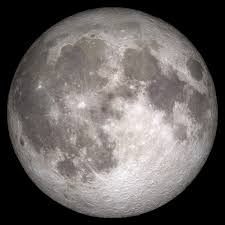
The next full moon for the northern hemisphere takes place on February 12th in the sign of Leo.
The moon, our celestial companion and closest influential body, has captivated humanity since time immemorial. Its rhythmic movements through the night sky, waxing and waning in a perpetual cycle, has served as both timekeeper and muse. Each month, the full moon illuminates the night with its silvery glow, marking the passage of time and the turning of the seasons. But these lunar milestones are more than just astronomical events; they are steeped in history and lore, each bearing a unique name that echoes the traditions and observations of cultures past.
While many cultures around the world have developed their own unique names for the full moons, the names most commonly used in the West today are rooted in the traditions of Native Americans and Europeans. These names, often vividly descriptive, reflect the natural world and the seasonal changes observed in the Northern Hemisphere. Let’s embark on a journey through the year, exploring the rich history and symbolism behind each month’s full moon.
January: The Wolf Moon

As the first full moon of the year, the Wolf Moon rises in the heart of winter, casting long shadows across the snow-covered landscape. Its name evokes the chilling howls of wolves, which were once a common sound in the depths of winter in both North America and Europe. These nocturnal serenades, often amplified by the stillness of the cold air, were thought to be cries of hunger, as prey became scarce in the frozen wilderness. The Wolf Moon, therefore, symbolizes a time of hardship and survival, a reminder of the challenges faced by both humans and animals during the coldest months of the year.
February: The Snow Moon

February, typically the snowiest month in the Northern Hemisphere, gives its name to the Snow Moon. This name, used by various Native American tribes, reflects the deep snows that often blanket the land during this time. The Cherokee people, for instance, called it the “Bony Moon,” referencing the skeletal appearance of the trees stripped bare by winter. Other names, like the “Hunger Moon” used by some tribes, highlight the challenges of hunting and finding food in the depths of winter. The Snow Moon, therefore, embodies the stark beauty and harsh realities of the season.
March: The Worm Moon

As winter’s grip begins to loosen and the first hints of spring emerge, the Worm Moon graces the night sky. This name, originating from southern Native American tribes, signifies the return of earthworms to the thawing soil. These humble creatures, vital to the health of the ecosystem, symbolize rebirth and renewal, heralding the coming of warmer days and the awakening of the natural world. The Worm Moon, therefore, marks a time of transition and hope, as life begins to stir once again.
April: The Pink Moon

Despite its name, the Pink Moon does not actually appear pink in the sky. Its name is derived from the vibrant pink blossoms of the moss phlox, or “wild ground phlox” (Phlox subulata), one of the earliest widespread wildflowers to bloom in North America. This moon, also known as the “Sprouting Grass Moon” or “Egg Moon,” celebrates the burgeoning of spring, a time of growth, fertility, and new beginnings. The Pink Moon, therefore, embodies the vibrant energy of the season, painting the landscape with a palette of fresh colors.
May: The Flower Moon

May, a month of abundant blooms in the Northern Hemisphere, gives its name to the Flower Moon. This name, originating from the Algonquin people, reflects the profusion of wildflowers that carpet the landscape during this time. The Flower Moon, also known as the “Corn Planting Moon” or “Milk Moon,” symbolizes the full blossoming of spring, a time of abundance, beauty, and the promise of a bountiful harvest.
June: The Strawberry Moon

June’s full moon, the Strawberry Moon, derives its name from the ripening of strawberries, a sweet and succulent fruit that reaches its peak harvest during this month. This name, used by various Native American tribes, including the Algonquin, Dakota, Ojibwe, and Lakota, highlights the connection between the lunar cycle and the natural world. The Strawberry Moon, sometimes coinciding with the summer solstice, marks a time of celebration and gratitude for the gifts of the earth.
July: The Buck Moon

July’s full moon, the Buck Moon, takes its name from the male deer, or bucks, whose antlers are in full growth during this month. After shedding their antlers in winter, bucks regrow them in spring, reaching their peak size and majesty in July. The Buck Moon, another name attributed to the Algonquin people, symbolizes strength, renewal, and the abundance of life in the summer months.
August: The Sturgeon Moon

August’s full moon, the Sturgeon Moon, honors the sturgeon, a large fish found in the Great Lakes and other bodies of water. August is a prime month for fishing, and the sturgeon, once a vital food source for Native American tribes, is particularly abundant during this time. The Sturgeon Moon, therefore, represents the bounty of the waters and the importance of respecting and preserving natural resources.
September: The Corn Moon or Harvest Moon

September’s full moon is most commonly known as the Harvest Moon, but it also bears the name Corn Moon. The Harvest Moon is the full moon that occurs closest to the autumnal equinox, typically in September but sometimes in October. This moon, bathed in a golden light, provides extra illumination for farmers harvesting their crops, extending their work day into the night. The Corn Moon specifically honors the harvest of corn, a staple crop for many Native American tribes and a symbol of sustenance and abundance.
October: The Hunter’s Moon

October’s full moon, the Hunter’s Moon, illuminates the night as the days grow shorter and winter approaches. This moon, often appearing larger and more orange than usual due to its low position in the sky, provided essential light for hunters preparing for the coming winter. The Hunter’s Moon, therefore, represents a time of preparation and provision, ensuring survival through the lean months ahead.
November: The Beaver Moon

November’s full moon, the Beaver Moon, signals the time for beavers to complete their dams and prepare for winter. These industrious creatures, known for their engineering skills, symbolize resourcefulness and preparation. The Beaver Moon, also known as the “Frost Moon” in some Native American traditions, marks the transition into the colder months, a time for seeking shelter and gathering resources for the long winter ahead.
December: The Cold Moon

December’s full moon, the Cold Moon, aptly reflects the frigid temperatures and long nights of winter in the Northern Hemisphere. This moon, also known as the “Long Night Moon” by the Mohican people, symbolizes the dormancy of nature and the introspection that often accompanies the darkest time of the year. The Cold Moon, therefore, invites us to embrace the quietude of winter, to reflect on the past year, and to prepare for the rebirth of spring.
Each full moon, with its unique name and rich history, offers a glimpse into the intricate relationship between humanity and the natural world. These lunar milestones, observed and celebrated for centuries, remind us of the cyclical nature of time, the ebb and flow of the seasons, and the enduring connection between the earth and the sky. As you gaze upon the next full moon, take a moment to appreciate its beauty, its history, and its enduring significance in the tapestry of human experience.
The moon, in all its luminous glory, has captivated humanity since time immemorial. In astrology, the full moon is more than just a celestial spectacle; it’s a potent symbol of culmination, release, and illumination. Each month, as the sun and moon oppose each other in the zodiac, a full moon rises, casting its light on a different area of our lives, prompting introspection and growth.
The Lunar Cycle and You:
Imagine the lunar cycle as a breath. The new moon is the inhale, a time for setting intentions and planting seeds of desire. As the moon waxes, these intentions gain momentum, culminating in the exhale of the full moon. This is when we reap what we’ve sown, celebrate achievements, and release what no longer serves us.
The Full Moon’s Astrological Significance:
Each full moon occurs within a specific zodiac sign, imbuing it with unique energy and themes. Here’s a glimpse into the general focus of each full moon:
- Aries Full Moon: A time for asserting independence, taking risks, and pioneering new paths.
- Taurus Full Moon: Focuses on stability, security, and indulging in sensual pleasures.
- Gemini Full Moon: Highlights communication, learning, and connecting with others.
- Cancer Full Moon: Brings attention to home, family, and emotional security.
- Leo Full Moon: Encourages self-expression, creativity, and embracing joy.
- Virgo Full Moon: A time for health, organization, and refining details.
- Libra Full Moon: Focuses on relationships, balance, and finding harmony.
- Scorpio Full Moon: Delves into deep emotions, transformation, and intimacy.
- Sagittarius Full Moon: Expands horizons through travel, philosophy, and truth-seeking.
- Capricorn Full Moon: Highlights career, ambition, and achieving long-term goals.
- Aquarius Full Moon: Encourages social consciousness, innovation, and humanitarian efforts.
- Pisces Full Moon: A time for spirituality, dreams, and connecting with intuition.
Harnessing the Full Moon’s Energy:
The full moon is an opportune time for:
- Reflection: Journal, meditate, or simply spend time in nature contemplating your journey.
- Release: Let go of limiting beliefs, negative emotions, or unhealthy habits.
- Manifestation: Reap the rewards of your intentions set during the new moon.
- Charging crystals: Place your crystals under the moonlight to cleanse and amplify their energy.
Beyond the Basics:
The full moon’s influence is further nuanced by its aspects to other planets in your birth chart. Consulting an astrologer can provide personalized insights into how each full moon will specifically impact you.
Embrace the Lunar Rhythm:
By attuning yourself to the moon’s cycle, you can navigate life’s ebb and flow with greater awareness and intention. Embrace the full moon’s illuminating power, and watch as it guides you towards greater self-discovery and fulfillment.
 The Daily Gemini